The Connection Between Thyroid Health and Hormone Balance
The Connection Between Thyroid Health and Hormone Balance
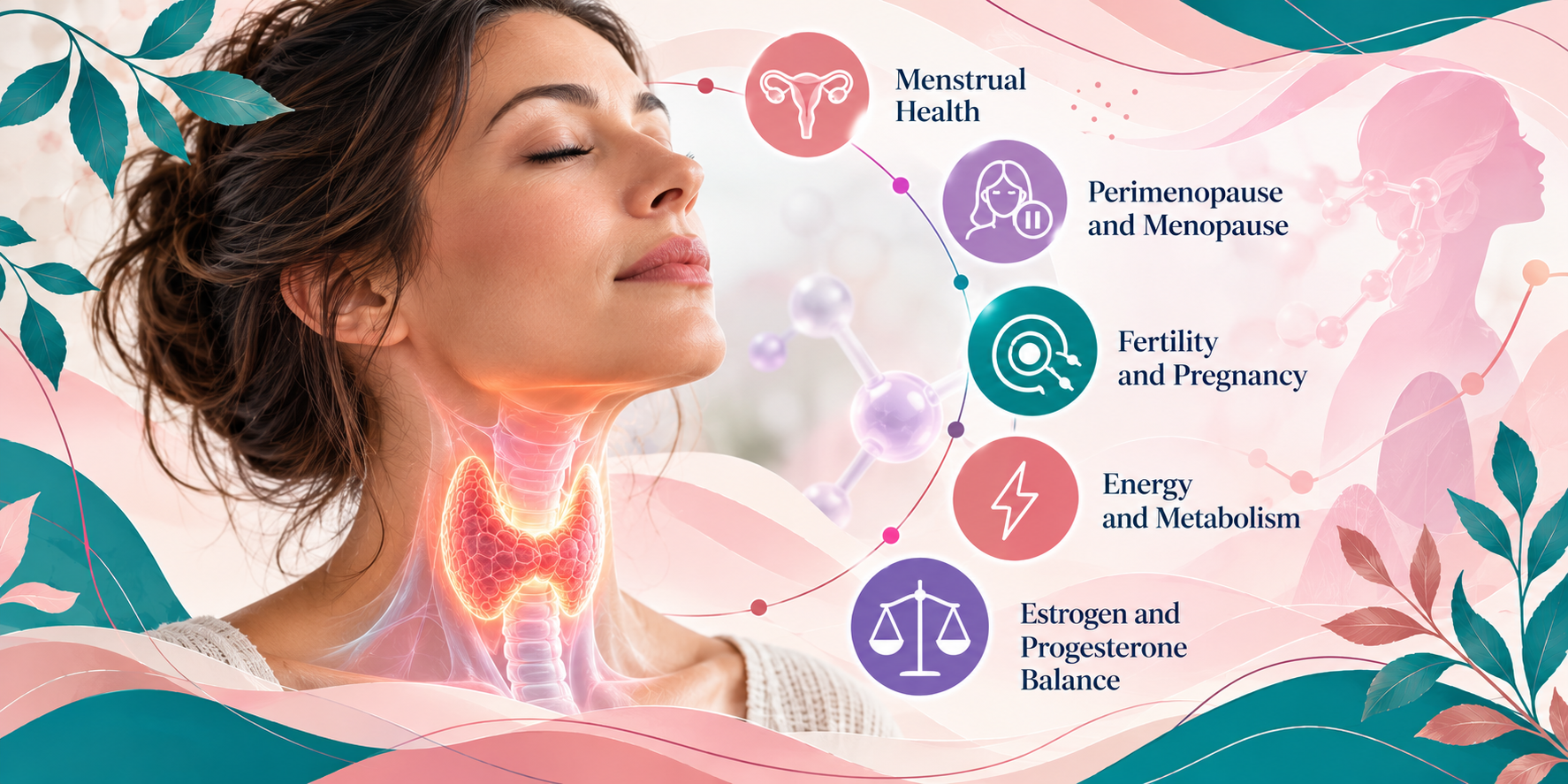
Your hormones work together more closely than you might think. When something changes in one part of your endocrine system, it can influence other processes throughout your body.
The thyroid is a small, butterfly-shaped gland in your neck, but the hormones it produces help regulate metabolism, energy use, body temperature, and many other essential functions. Thyroid hormones also interact with the systems responsible for menstrual cycles, fertility, and reproductive health.
For women, this connection can become especially important during periods of hormonal change, including perimenopause and menopause. Symptoms such as fatigue, irregular periods, changes in weight, mood shifts, and difficulty concentrating may have several possible explanations, and thyroid function is one piece worth considering.
At Vargo Vision Functional Wellness, understanding the relationship between thyroid health and hormone balance means looking beyond individual symptoms and considering the broader picture of your health.
How Does the Thyroid Affect Hormone Balance?
Your thyroid produces two primary hormones, thyroxine (T4) and triiodothyronine (T3). These hormones help regulate how your body uses energy and influence the function of multiple organ systems.
The thyroid is also part of a larger endocrine network. Your brain helps regulate thyroid activity through signals from the hypothalamus and pituitary gland. In turn, thyroid hormones interact with other hormone systems, including those involved in reproduction.
When thyroid hormone levels are too low or too high, several processes can be affected, including menstrual regularity, ovulation, and fertility.
5 Ways Thyroid Health Can Influence Hormone Balance
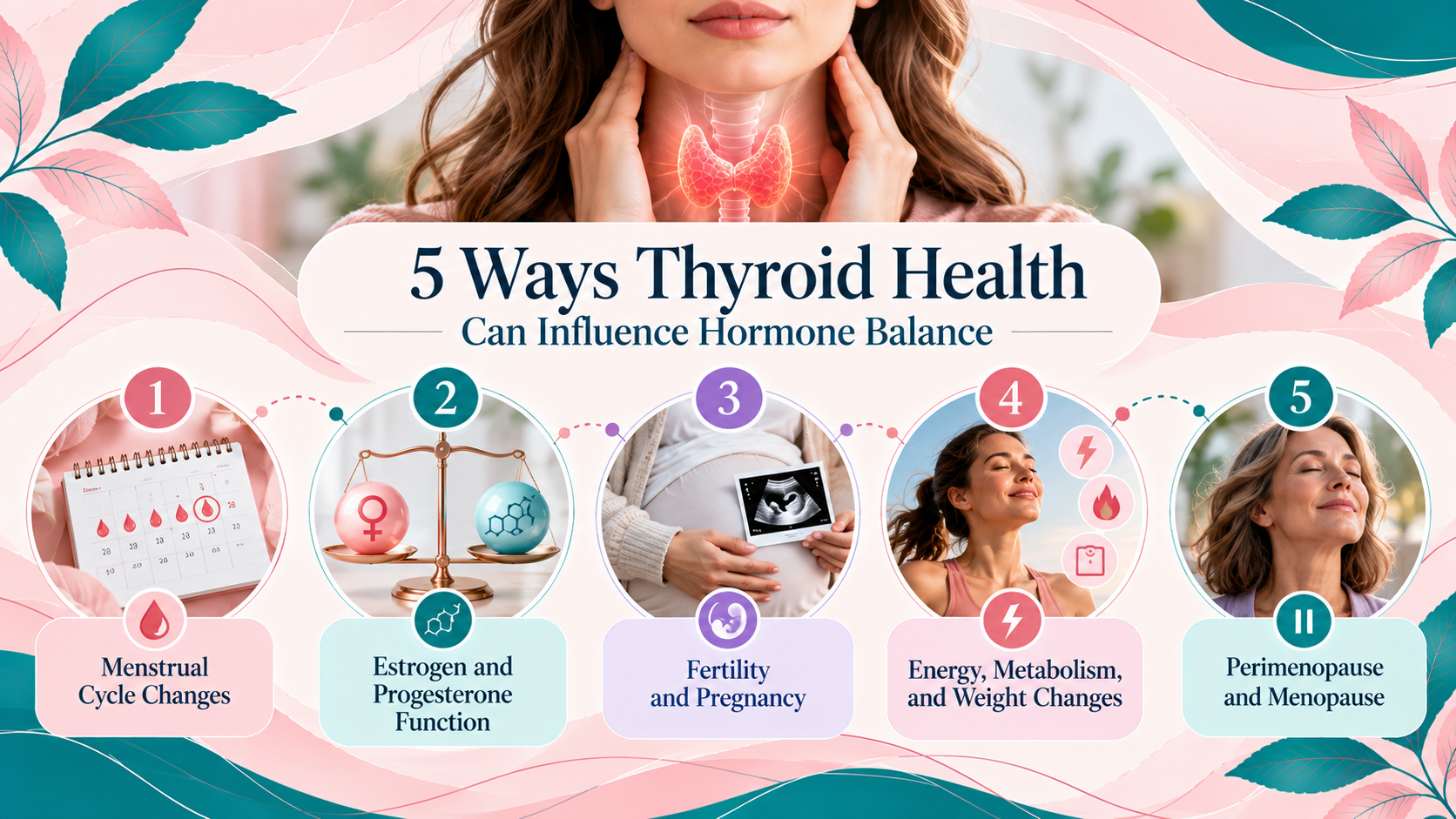
1. Menstrual Cycle Changes
Have your periods become heavier, lighter, irregular, or less predictable? Thyroid function may be one factor worth discussing with your healthcare provider.
Both hypothyroidism, which occurs when the thyroid produces too little hormone, and hyperthyroidism, which occurs when it produces too much, can affect menstrual patterns.
An underactive thyroid may be associated with heavier or irregular periods. An overactive thyroid may contribute to lighter or less frequent periods.
However, menstrual changes can also result from pregnancy, perimenopause, stress, changes in body weight, and other conditions. A change in your cycle does not automatically mean you have a thyroid disorder.
2. Estrogen and Progesterone Function
Estrogen and progesterone help regulate the menstrual cycle, ovulation, and reproductive health. Thyroid hormones support the broader metabolic and endocrine processes involved in these functions.
When thyroid function is significantly disrupted, the body may experience changes in menstrual regularity and reproductive hormone signaling. Hypothyroidism can also be associated with elevated prolactin in some cases, which may interfere with ovulation.
It is important to understand that thyroid dysfunction does not automatically mean you have an estrogen or progesterone imbalance. These hormones have their own patterns and need to be evaluated in context.
The takeaway: Thyroid and reproductive hormones interact, but one hormone level alone cannot explain every symptom.
3. Fertility and Pregnancy
Thyroid health is particularly important when trying to conceive or during pregnancy.
Overt hypothyroidism can interfere with ovulation and fertility. Untreated thyroid dysfunction during pregnancy can also increase the risk of complications, which is why appropriate evaluation and management matter.
Pregnancy itself changes thyroid physiology. Hormones such as human chorionic gonadotropin (hCG) and estrogen influence thyroid function and can affect how thyroid blood tests are interpreted. Pregnancy-specific reference ranges and clinical guidance may therefore be needed.
If you are planning pregnancy, are pregnant, or recently gave birth, talk with your healthcare provider about whether thyroid testing or follow-up is appropriate, especially if you have a history of thyroid disease.
4. Energy, Metabolism, and Weight Changes
Thyroid hormones help regulate how your body uses energy. When thyroid hormone levels are low, you may experience fatigue, cold sensitivity, constipation, dry skin, or weight gain. When levels are too high, symptoms can include heat intolerance, a racing heartbeat, tremors, and unintended weight loss.
These changes can sometimes be confused with other hormone-related concerns, including those that occur during perimenopause.
But weight changes and fatigue are not specific to thyroid disease. Sleep quality, medications, nutrition, activity levels, anemia, and other health conditions can contribute as well. Thyroid testing and a review of your overall health can help clarify what may be happening.
5. Perimenopause and Menopause
Perimenopause and menopause bring changes in estrogen and progesterone that can affect sleep, mood, body temperature, menstrual patterns, and concentration.
Some of these symptoms overlap with thyroid disorders. For example, fatigue, changes in mood, difficulty concentrating, and menstrual changes may occur with either condition.
This overlap can make it difficult to identify the cause based on symptoms alone. Thyroid dysfunction may be mistaken for menopause symptoms, so it is worth discussing persistent or unexplained symptoms with a healthcare professional.
Neither menopause nor thyroid disease should be assumed to explain every symptom. Both may occur at the same time, and each may need its own evaluation.
Signs Your Thyroid May Be Worth Evaluating
Consider talking with your healthcare provider if you notice:
Persistent fatigue or unexplained changes in energy
New or worsening menstrual irregularities
Unexpected weight changes
Increased sensitivity to heat or cold
Changes in bowel habits or skin and hair
Difficulty conceiving or concerns about fertility
Symptoms that overlap with perimenopause or menopause
A personal or family history of thyroid disease
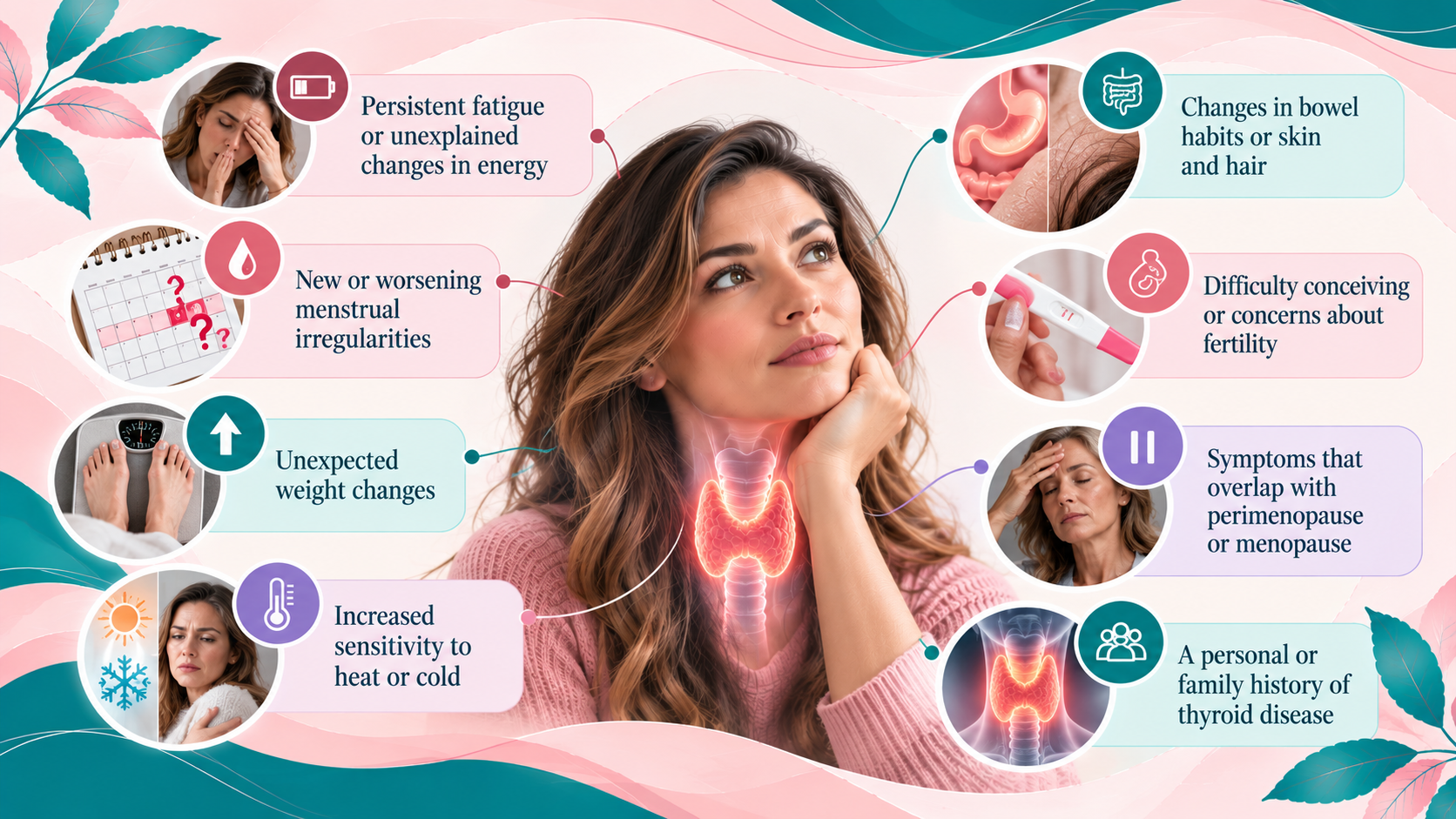
These symptoms are not enough to diagnose a thyroid condition. Their timing, severity, medical history, medications, and any accompanying symptoms all matter.
What Thyroid Tests Can Tell You
When thyroid dysfunction is suspected, blood testing is commonly used to assess thyroid function.
TSH (thyroid-stimulating hormone)
Often the first test used to assess how the brain is signaling the thyroid.
Free T4
Measures the unbound form of thyroxine available in the bloodstream and helps interpret thyroid function.
Thyroid antibodies, when indicated
Tests such as thyroid peroxidase (TPO) antibodies may help identify autoimmune thyroid disease, including Hashimoto's.
Other tests may be appropriate depending on symptoms, pregnancy status, medical history, and initial results. Not everyone needs every available thyroid test.
A key point: symptoms alone cannot confirm thyroid dysfunction, and a single lab result should be interpreted alongside your history and clinical picture. If your results are within the reference range but symptoms continue, ask your provider whether other causes should be investigated.
Supporting Thyroid and Hormone Health
There is no single food, supplement, or wellness routine that can correct every thyroid or reproductive hormone concern. A balanced approach can support general health while appropriate evaluation addresses any underlying condition.
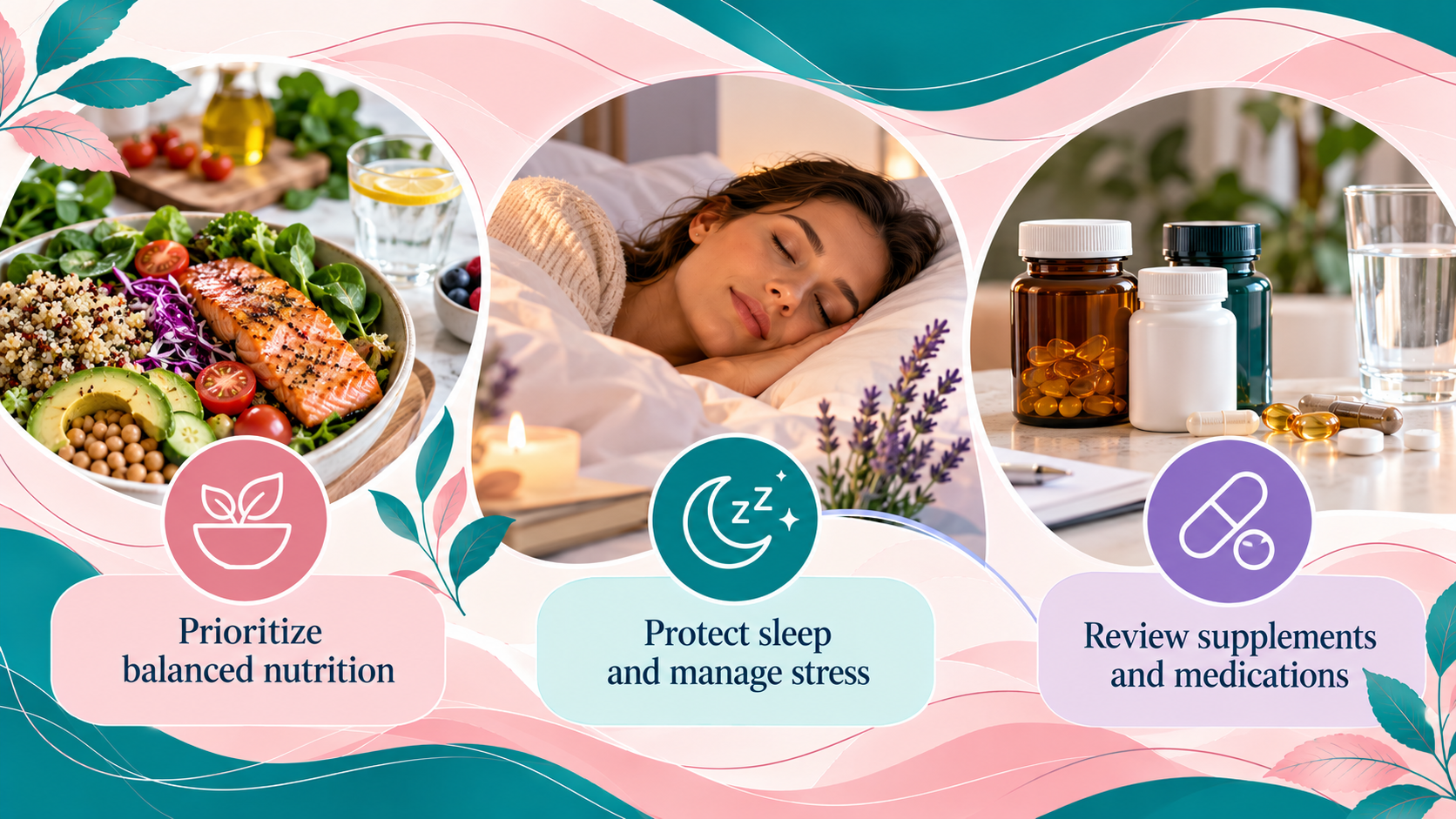
Prioritize balanced nutrition
Include a variety of nutrient-dense foods, adequate protein, fiber-rich vegetables and fruits, and healthy fats. Nutrients such as iodine, selenium, iron, and zinc have important roles in the body, but taking more is not always better. Excess iodine, for example, can worsen certain thyroid conditions.
Protect sleep and manage stress
Consistent sleep and realistic stress-management practices support overall well-being. They may help with energy, mood, and daily functioning, but they are not substitutes for diagnosing or treating thyroid disease.
Review supplements and medications
Some supplements and medications can affect thyroid function, thyroid test results, or the absorption of thyroid medication. Biotin, often found in hair and nail supplements, can interfere with some thyroid blood tests. Tell your healthcare provider what you take before testing, and follow their instructions about whether to pause any supplement. Do not stop prescribed medication on your own.
Look at the whole clinical picture
Thyroid health is one part of a larger picture that may include reproductive hormones, sleep, nutrition, stress, medications, and other medical conditions.
At Vargo Vision Functional Wellness, a broader wellness perspective can help organize questions about symptoms and lifestyle. This approach complements appropriate medical assessment and does not replace thyroid testing, diagnosis, or prescribed treatment.
The Bottom Line
Thyroid health and hormone balance are connected, particularly when it comes to menstrual cycles, fertility, energy, and the changes that occur during perimenopause and menopause.
But overlapping symptoms do not always share the same cause. The goal is not to assume that every symptom comes from the thyroid or to chase a particular hormone number. It is to understand your symptoms in context, use appropriate testing, and make informed decisions with a qualified healthcare professional.
If persistent symptoms are affecting your quality of life, you do not have to guess at the cause.
Ready to take a more informed look at your health? Schedule a Free Discovery Call with Vargo Vision Functional Wellness to explore whether our approach may be a fit for your health goals.
Frequently Asked Questions
Can thyroid problems cause hormone imbalance?
Thyroid dysfunction can affect menstrual regularity, ovulation, and fertility. However, it does not automatically mean your estrogen or progesterone levels are abnormal. Evaluation depends on your symptoms and medical history.
Can thyroid problems cause irregular periods?
Yes. Both an underactive and an overactive thyroid can contribute to menstrual changes. Other causes, including pregnancy, perimenopause, stress, and certain medications, may also affect your cycle.
Can thyroid problems be mistaken for perimenopause?
Yes. Fatigue, mood changes, difficulty concentrating, and menstrual changes can occur with both thyroid dysfunction and perimenopause. A healthcare provider can help determine whether thyroid testing or another evaluation is appropriate.
What thyroid tests should I ask about?
TSH is commonly the initial test, with free T4 and other tests added when clinically appropriate. Thyroid antibody testing may be useful when autoimmune thyroid disease is suspected. The right tests depend on your symptoms, history, and circumstances.
Can I balance my hormones naturally if I have a thyroid condition?
Healthy nutrition, adequate sleep, and regular physical activity support overall health. However, lifestyle changes and supplements cannot reliably replace treatment for an established thyroid disorder. Avoid high-dose iodine or thyroid-support supplements without professional guidance.
Should I have my thyroid checked if I am planning pregnancy?
Discuss thyroid health with your healthcare provider if you are planning pregnancy, particularly if you have a known thyroid condition, previous abnormal results, or relevant symptoms. Thyroid assessment and treatment may need to be adjusted before and during pregnancy.