
The Science Behind Anti-Inflammatory Eating

The Science Behind Anti-Inflammatory Eating
How the Foods You Eat May Influence Inflammation, Hormones, Gut Health, and Overall Wellness
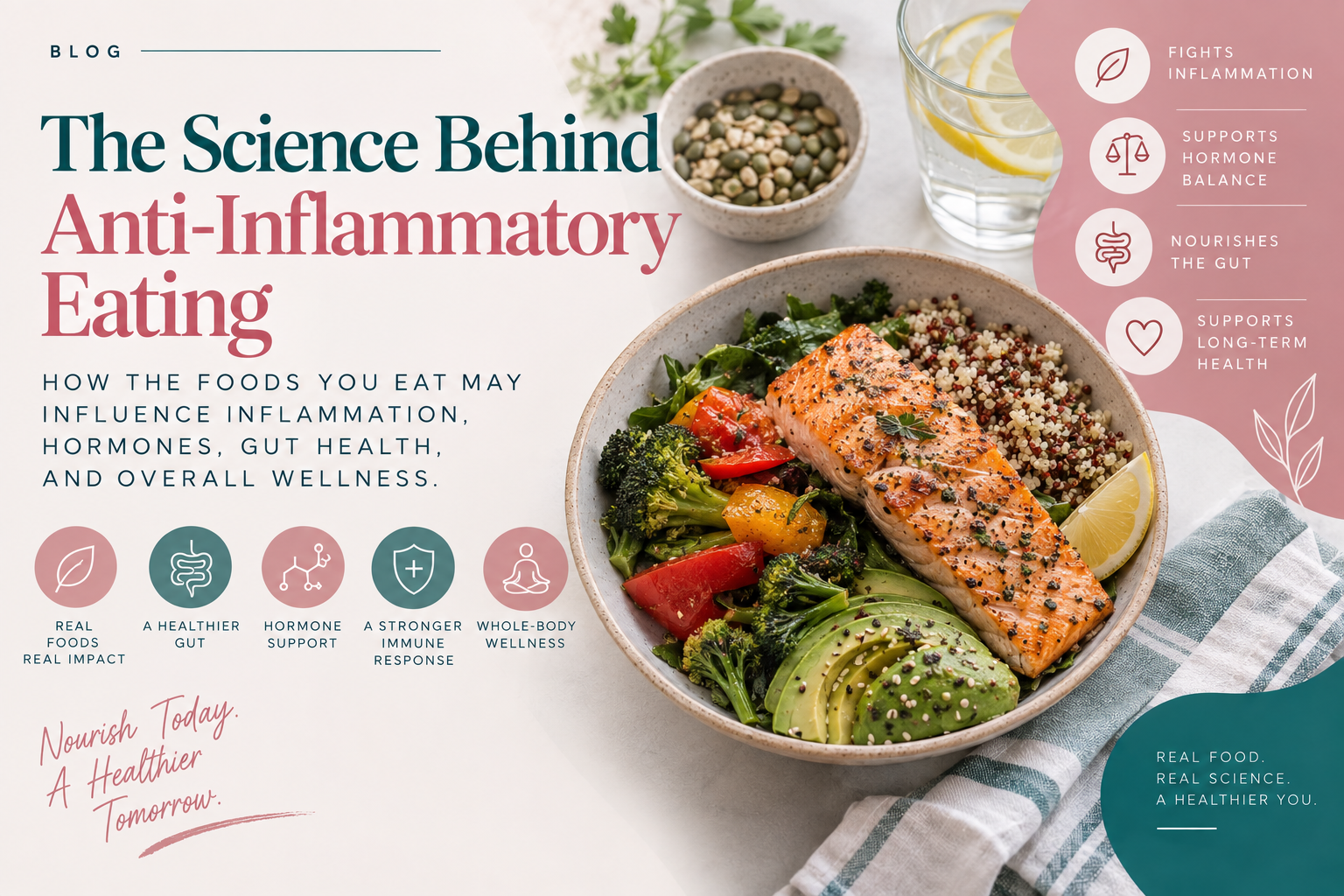
Inflammation isn't always the enemy.
Your body uses inflammation as part of its natural immune response to injury, infection, and other challenges. The concern is when inflammatory processes remain elevated or become excessive over time.
And while food isn't a cure for every inflammatory condition, your everyday eating pattern can influence many of the systems connected to inflammation.
That's where anti-inflammatory eating comes in.
It isn't about following a restrictive diet, cutting out everything you love, or finding one "miracle" food.
It's about consistently giving your body the nutrients it needs to support healthy inflammatory regulation.
What Is Anti-Inflammatory Eating?
Anti-inflammatory eating focuses primarily on whole, nutrient-dense foods while reducing an excessive reliance on highly processed foods, added sugars, and foods that provide fewer nutrients.
Think less about a list of "good" and "bad" foods and more about your overall dietary pattern.
A supportive plate may include:
🥬 Colorful vegetables
🍓 Fruits
🫘 Beans and lentils
🌾 Whole grains
🐟 Fatty fish
🥚 Lean proteins
🌰 Nuts and seeds
🫒 Healthy fats
These foods provide fiber, vitamins, minerals, antioxidants, omega-3 fats, and other compounds that support your body's normal functions.
The goal isn't perfection. It's consistency.
1. Fill Your Plate With Color
Colorful fruits and vegetables provide a variety of vitamins, minerals, fiber, and plant compounds.
Think:
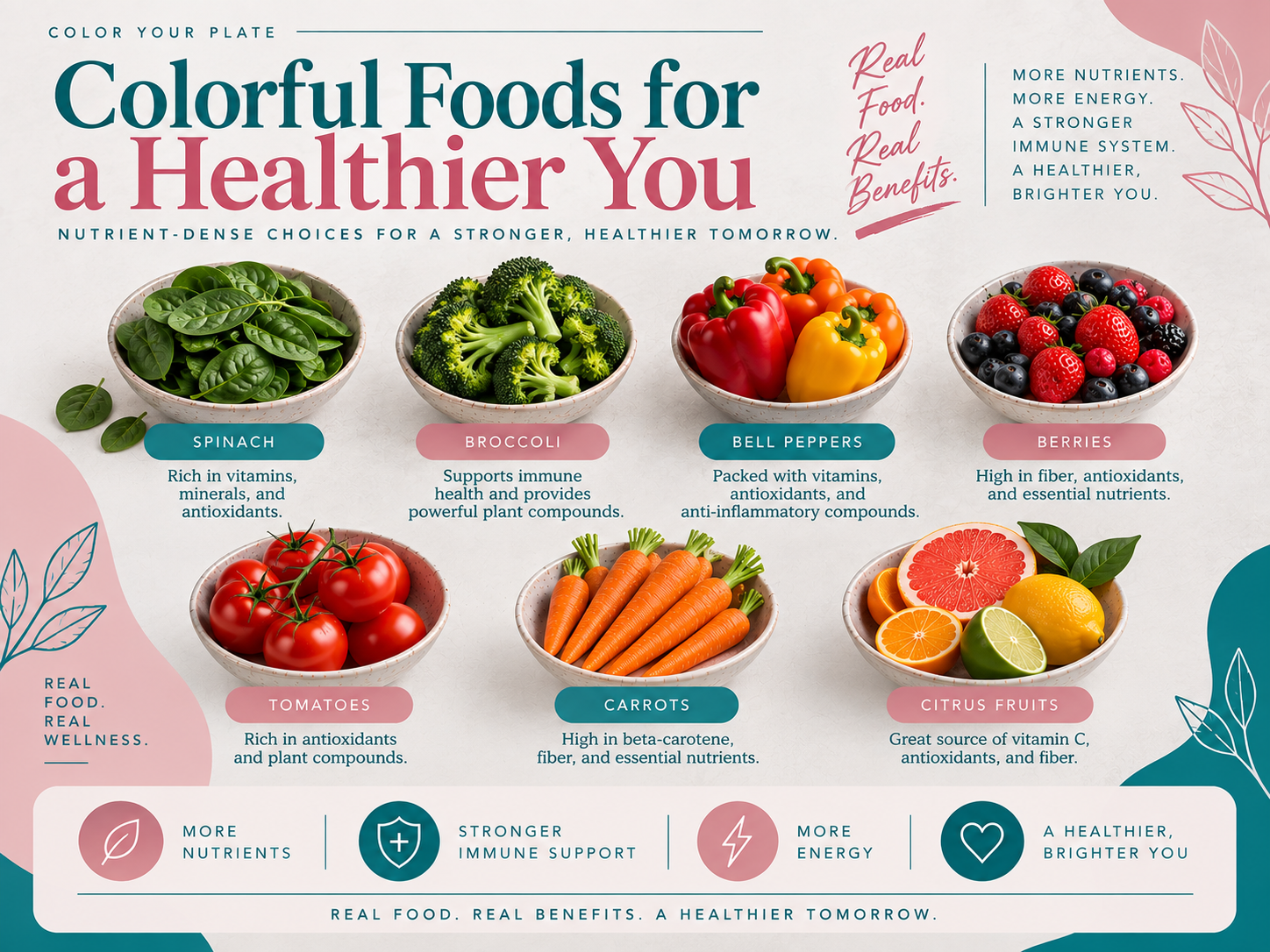
Instead of focusing on one "superfood," aim for variety.
Different plant foods provide different nutrients and beneficial compounds, so eating a wide range of colors can help create a more nutrient-dense diet.
More variety means more opportunities to nourish your body.
2. Don't Forget Omega-3 Fats
Omega-3 fatty acids play important roles in cell function and inflammatory pathways.
Some food sources include:
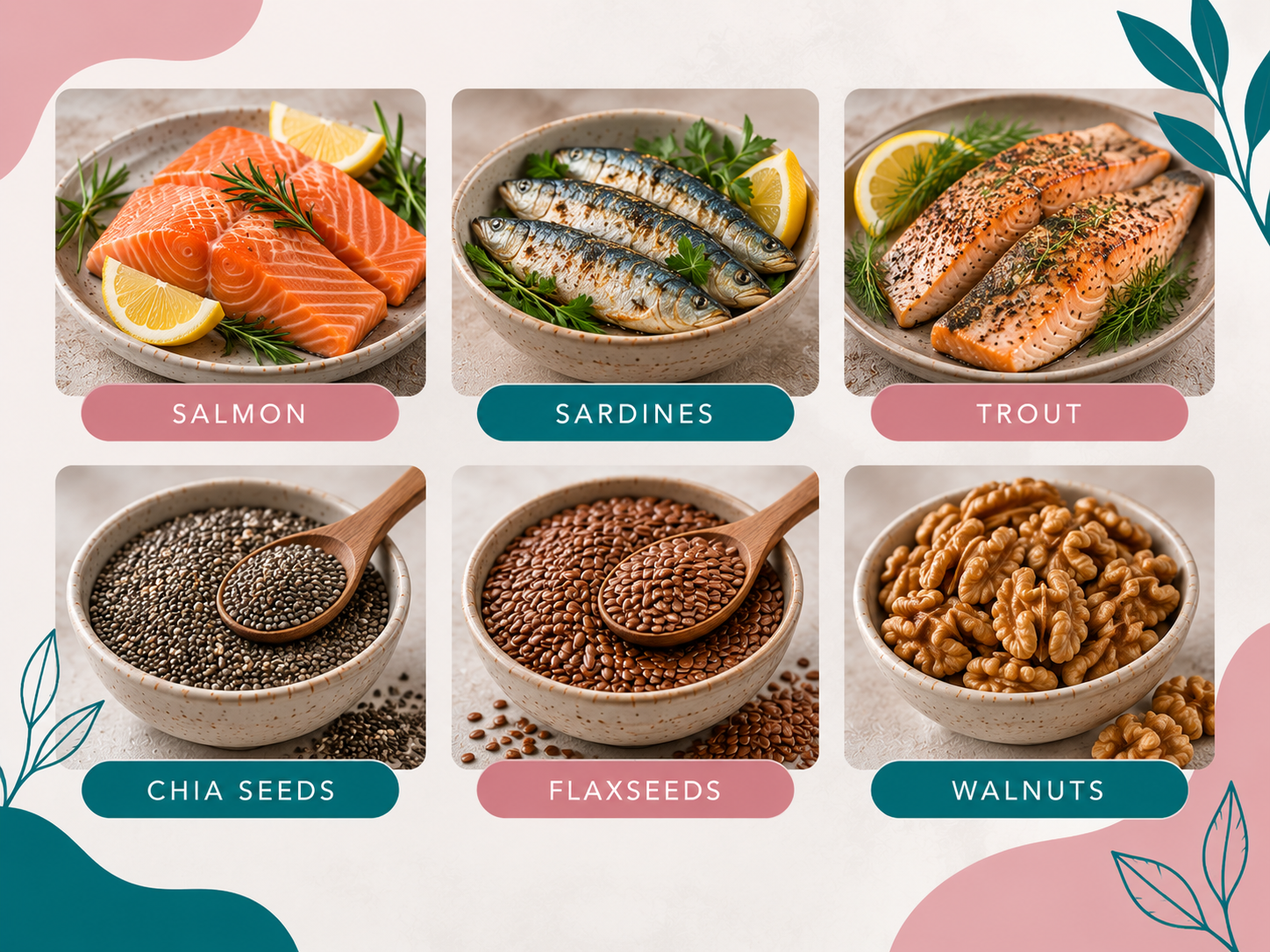
Fatty fish provide EPA and DHA, while plant foods primarily provide ALA.
You don't necessarily need to rely on supplements to incorporate omega-3s into your diet.
Sometimes the best place to start is your plate.
3. Give Your Gut Plenty of Fiber
Your gut and immune system are closely connected.
Fiber-rich foods can help support a diverse gut microbiome and healthy digestion.
Good sources include:
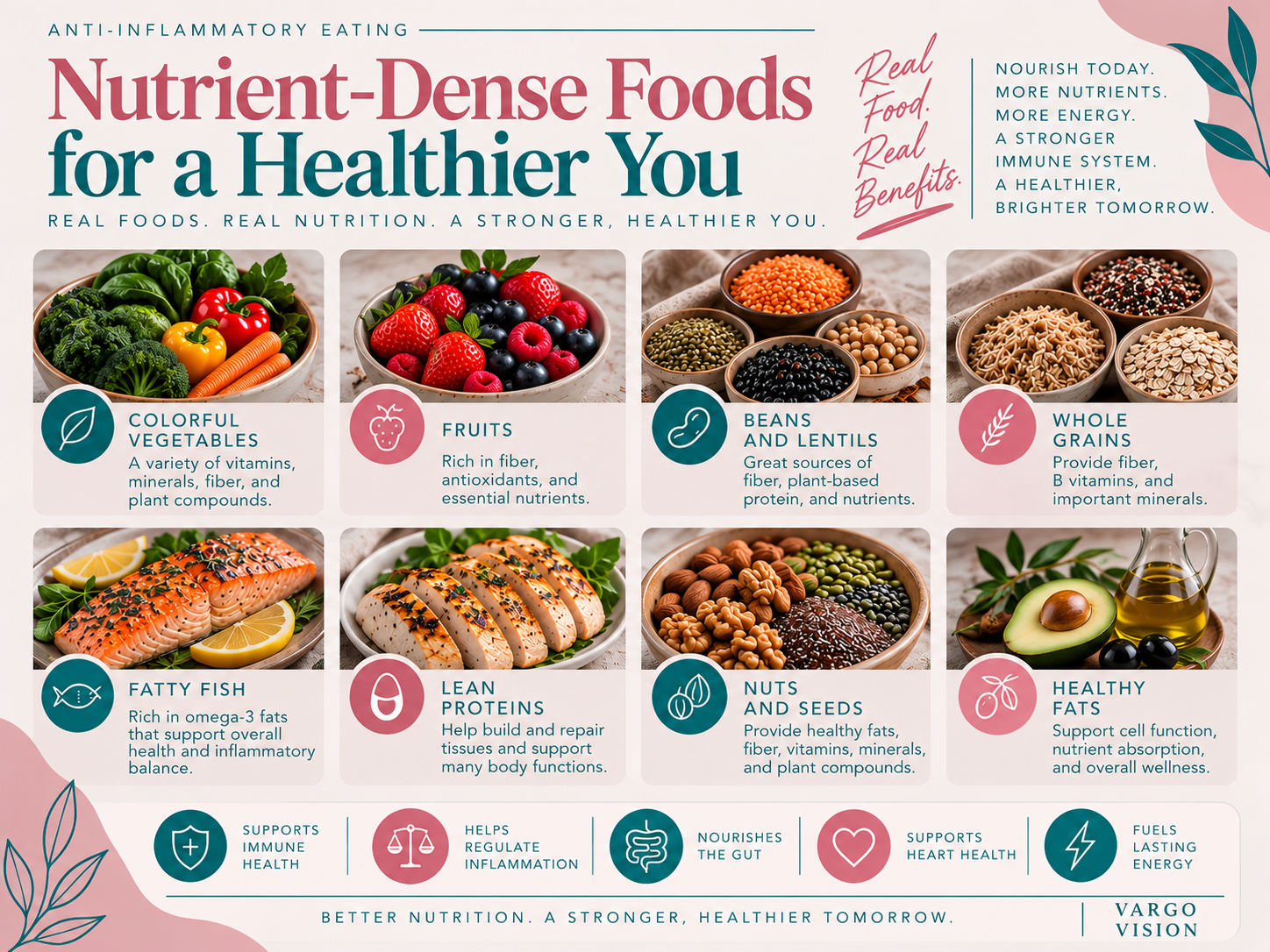
If your current diet is low in fiber, increase it gradually and drink enough water.
And remember: if certain high-fiber foods consistently cause significant digestive symptoms, don't simply force yourself to eat more.
Your individual response matters.
4. Think About Blood Sugar, Too
What you eat can also influence blood glucose and metabolic health.
Meals built around protein, fiber, healthy fats, and nutrient-dense carbohydrates can help create a more balanced approach to eating.
For example:
Salmon + roasted vegetables + quinoa + avocado
or
Eggs + leafy greens + whole-grain toast + berries
The goal isn't to eliminate carbohydrates.
It's to create balanced, nourishing meals that support your overall metabolic health.
5. What About Sugar and Processed Foods?
You don't have to fear every cookie, slice of pizza, or favorite treat.
Anti-inflammatory eating isn't about creating a perfect diet.
Instead, consider how often highly processed foods, refined carbohydrates, added sugars, and other less nutrient-dense foods make up your overall diet.
If most of your meals are built around whole or minimally processed foods, there's room for flexibility.
Think pattern, not perfection.
6. Your Gut May Be Part of the Inflammation Conversation
The gut is constantly interacting with food, microorganisms, and the immune system.
When gut health is supported through adequate fiber, variety, hydration, and balanced nutrition, you're also supporting an environment that can contribute to overall health.
This is one reason we often consider digestive health when women experience symptoms such as:
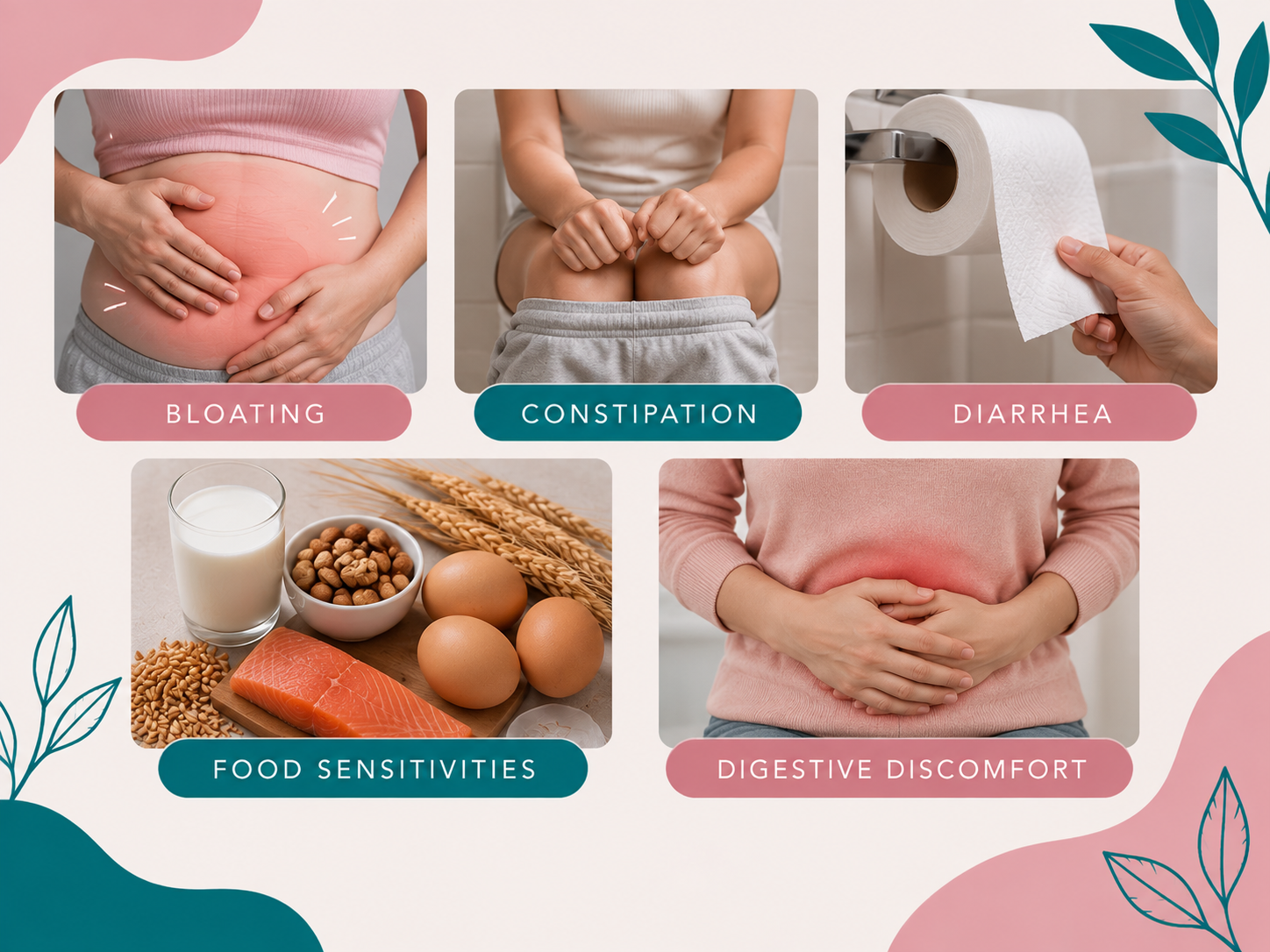
But digestive symptoms can have many causes.
Not every gut problem is caused by food, and not every inflammatory symptom starts in the gut.
The goal is to understand the bigger picture.
7. Anti-Inflammatory Eating Isn't One-Size-Fits-All
This is one of the most important things to remember.
A food that works beautifully for one person may not work the same way for another.
Your nutritional needs can depend on your:
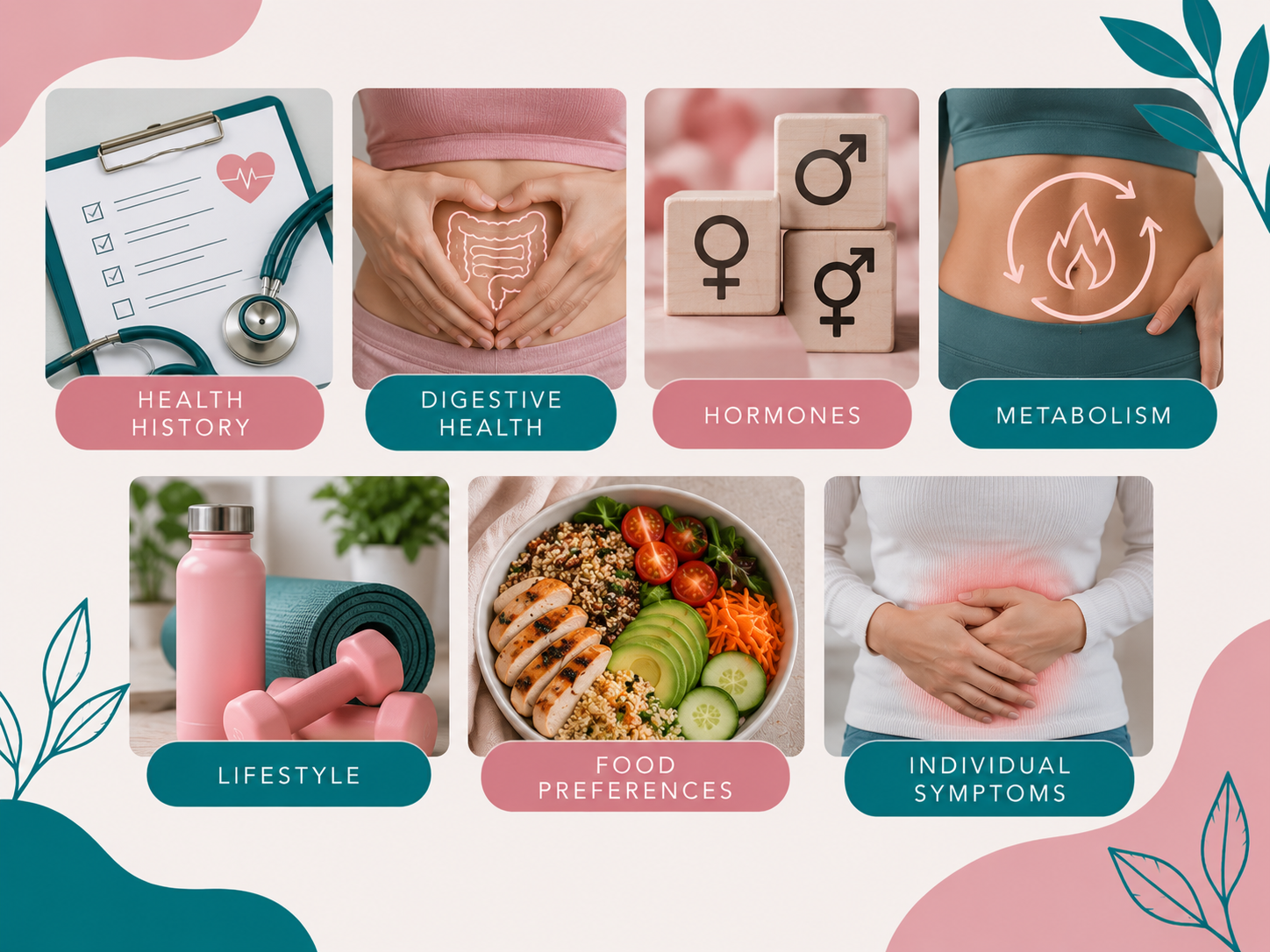
That's why we don't believe everyone needs the exact same "anti-inflammatory food list."
Your nutrition should be personalized to you.
The Functional Medicine Perspective
At Vargo Vision Functional Wellness, we don't look at inflammation as an isolated problem.
We consider how different systems may interact:
Nutrition → Gut Health → Blood Sugar → Hormones → Stress → Sleep → Inflammation → Overall Health
If you're experiencing persistent inflammation, fatigue, digestive symptoms, hormonal concerns, or unexplained changes in your health, nutrition may be one piece of the puzzle.
But it's only one piece.
We want to understand why you're experiencing your symptoms, rather than simply handing you a list of foods to avoid.
Simple Ways to Start Eating More Anti-Inflammatory Foods
You don't need to completely change your diet overnight.
Start small:
🥗 Add One More Vegetable
Add leafy greens, broccoli, peppers, or another colorful vegetable to a meal.
🐟 Eat Omega-3-Rich Foods
Try salmon, sardines, trout, chia seeds, flaxseeds, or walnuts.
🫘 Increase Fiber Gradually
Add beans, lentils, fruits, vegetables, whole grains, or seeds.
🍳 Build Balanced Meals
Pair protein with fiber-rich carbohydrates and healthy fats.
💧 Stay Hydrated
Water supports digestion and overall body function.
🌈 Focus on Variety
Instead of eating the same foods every day, rotate different vegetables, fruits, proteins, legumes, nuts, and seeds.
🧘 Support Your Whole Body
Remember that sleep, movement, stress management, and nutrition all contribute to overall wellness.
The Bottom Line
Anti-inflammatory eating isn't about finding one magical food.
It's about creating a consistent pattern of nourishing your body with whole foods, fiber, healthy fats, quality protein, and a variety of nutrients.
You don't need to eat perfectly.
You don't need to eliminate everything.
And you don't necessarily need another supplement.
Start with your plate.
Because small choices, repeated consistently, can become a powerful foundation for better health.
Ready to Take the Next Step?
If you're struggling with inflammation, fatigue, digestive symptoms, hormone concerns, or other persistent symptoms, Vargo Vision Functional Wellness can help you look beyond the surface.
Book your Free Discovery Call today and start exploring the bigger picture of your health.
Root cause. Real results. Lasting wellness.
Frequently Asked Questions
What foods are considered anti-inflammatory?
Common choices include colorful vegetables, fruits, beans, lentils, whole grains, fatty fish, nuts, seeds, and other nutrient-dense whole foods.
Do I need to completely eliminate sugar?
Not necessarily. The goal is to reduce an excessive reliance on added sugars and highly processed foods while focusing more often on nutrient-dense choices.
Is an anti-inflammatory diet good for everyone?
A whole-food, nutrient-dense eating pattern can be a healthy foundation for many people, but individual nutritional needs vary. Certain medical or digestive conditions may require a more personalized approach.
Can anti-inflammatory foods balance hormones?
Food can support overall nutrition and metabolic health, but no single food or diet can automatically "balance" hormones. Hormonal health is influenced by many factors, including sleep, stress, metabolism, nutrition, and underlying conditions.