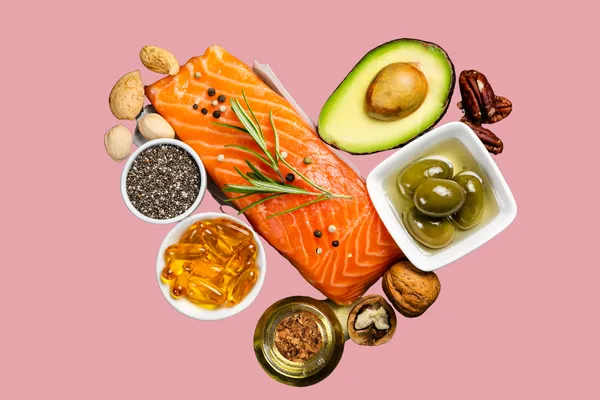
Why Omega-3s Matter for Women's Health

Why Omega-3s Matter for Women's Health
The Healthy Fat Your Hormones, Brain, Heart, and Body Need
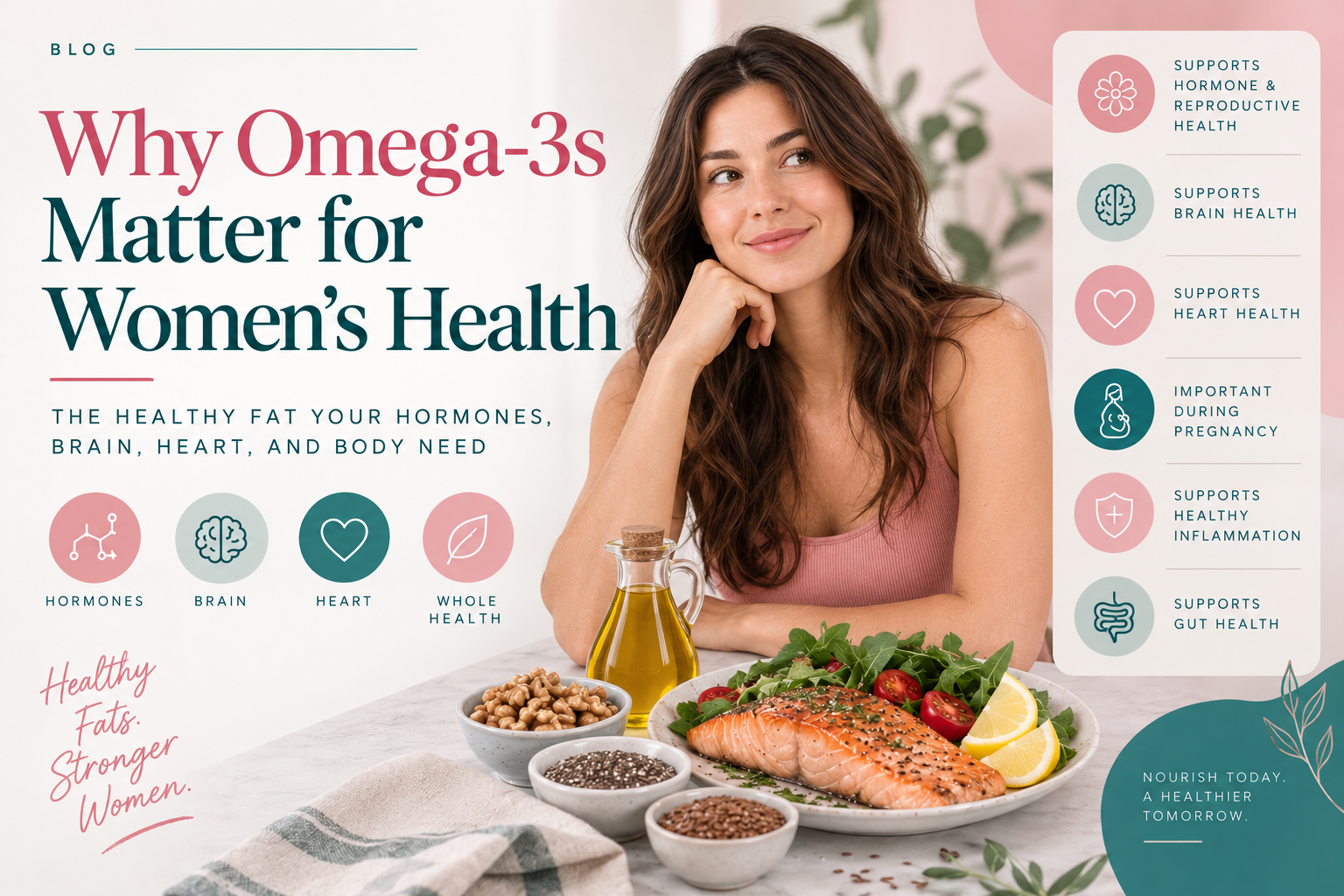
Omega-3 fatty acids are essential fats your body needs for healthy cells, brain function, heart health, and inflammatory processes. Since your body can't produce enough of them, getting them through your diet is important.
For women, omega-3s may be especially relevant to reproductive health, pregnancy, brain health, cardiovascular health, and inflammation.
They're not a magic supplement, but they can be an important part of a healthy lifestyle.
What Are Omega-3s?
There are three main types:
EPA – Found primarily in fatty fish and supports cell signaling and inflammatory processes.
DHA – Important for brain and eye health, especially during pregnancy and early development.
ALA – Found in plant foods such as chia seeds, flaxseeds, and walnuts. Your body can convert it to EPA and DHA, but only in limited amounts.
1. Omega-3s Support Heart Health
EPA and DHA support cardiovascular health, including healthy triglyceride levels and heart rhythm.
Good sources include:
Salmon
Sardines
Trout
Mackerel
Herring
Regularly including fatty fish can be a simple way to increase omega-3 intake.
2. They Support Brain Health
DHA is an important structural component of the brain.
Omega-3-rich foods can be part of a brain-supportive diet, but they're not a guaranteed way to prevent memory problems.
Your brain needs more than one nutrient sleep, movement, nutrition, and stress management matter too.
3. Omega-3s and Women's Reproductive Health
Omega-3s are involved in inflammatory and cellular signaling pathways connected to reproductive health.
Research has explored their potential role in:
Menstrual symptoms
PMOS symptoms (formerly known as PCOS)
Endometriosis
Fertility
Pregnancy
However, they're not a universal treatment or "hormone-balancing cure."
4. Omega-3s During Pregnancy
DHA is important for fetal brain and eye development.
The FDA and EPA recommend that pregnant and breastfeeding women consume 8–12 ounces of lower-mercury seafood per week.
Good options include salmon, sardines, shrimp, pollock, tilapia, and trout.
5. Omega-3s and Inflammation
Omega-3s participate in pathways involved in inflammation and help produce molecules involved in resolving inflammatory responses.
But they're not a magic anti-inflammatory cure.
Sleep, stress, diet quality, metabolic health, body composition, and underlying conditions can all influence inflammation.
6. They May Support Menstrual Health
Research has explored omega-3s for menstrual discomfort, with some studies suggesting potential benefits.
However, severe or persistent period pain shouldn't simply be treated with supplements.
Pain that interferes with your daily life deserves medical evaluation.
7. Omega-3s and Gut Health
Omega-3s interact with immune and inflammatory pathways, while the gut microbiome can influence how nutrients are processed.
Research in this area is still developing.
Rather than thinking omega-3s will "fix" your gut, consider them part of an overall gut-supportive diet rich in fiber, vegetables, fruits, legumes, nuts, and seeds.
8. Food First Is a Great Place to Start
You don't necessarily need a supplement to get omega-3s.
Fatty Fish
Salmon
Sardines
Mackerel
Herring
Trout
Plant Sources
Chia seeds
Flaxseeds
Walnuts
Hemp seeds
Fish provides EPA and DHA, while plant foods primarily provide ALA.
What About Fish Oil Supplements?
Supplements may be helpful for some people, but they're not automatically necessary.
The right amount depends on your individual health needs, diet, medications, and medical history.
If you're considering high-dose omega-3 supplements, talk with your healthcare provider first.
A supplement doesn't replace a healthy diet.
The Functional Medicine Perspective
At Vargo Vision Functional Wellness, we don't believe hormone health comes down to one supplement.
We look at the bigger picture, including:
Hormone health
Nutrition
Blood sugar
Gut health
Inflammation
Sleep
Stress
Metabolic health
Lifestyle
Individual symptoms
Omega-3s may be one piece of the puzzle.
The better question isn't:
"How much fish oil should I take?"
It's:
"What does my body need?"
Your health isn't built around one nutrient.
It's built around patterns.
Simple Ways to Get More Omega-3s
Eat fatty fish regularly, such as salmon or sardines.
Add chia, flax, or walnuts to meals and snacks.
Choose a variety of whole foods.
Don't rely on supplements alone.
Choose lower-mercury fish during pregnancy.
Talk with your healthcare provider before taking high-dose supplements.
The Bottom Line
Omega-3s aren't a magic solution for women's health.
But they're essential fats that support brain, heart, eye, cellular, and inflammatory functions and can be especially important during pregnancy.
Start with your plate:
Salmon. Sardines. Trout. Chia. Flax. Walnuts.
And remember:
No single food or supplement can balance your hormones by itself.
Your body works as a whole.
Don't chase the latest supplement trend. Nourish your body with intention.
Ready to Take the Next Step?
If you're struggling with hormone concerns, inflammation, fatigue, digestive issues, painful periods, PMOS symptoms (formerly known as PCOS) , or other persistent health concerns, Vargo Vision Functional Wellness can help you look deeper.
Book your Free Discovery Call today.
Frequently Asked Questions
What foods are highest in omega-3s?
Salmon, sardines, mackerel, herring, and trout provide EPA and DHA. Chia, flaxseeds, and walnuts provide ALA.
Do omega-3s balance hormones?
They support important biological processes but aren't a standalone hormone-balancing treatment.
How often should women eat fish?
During pregnancy and breastfeeding, the FDA and EPA recommend 8–12 ounces of lower-mercury seafood per week.
Are omega-3 supplements necessary?
Not necessarily. Many people can get omega-3s through food. Whether supplementation is appropriate depends on individual needs.